

Amano Handpainted Ceramic Tile FAQ | Tiles of Ezra
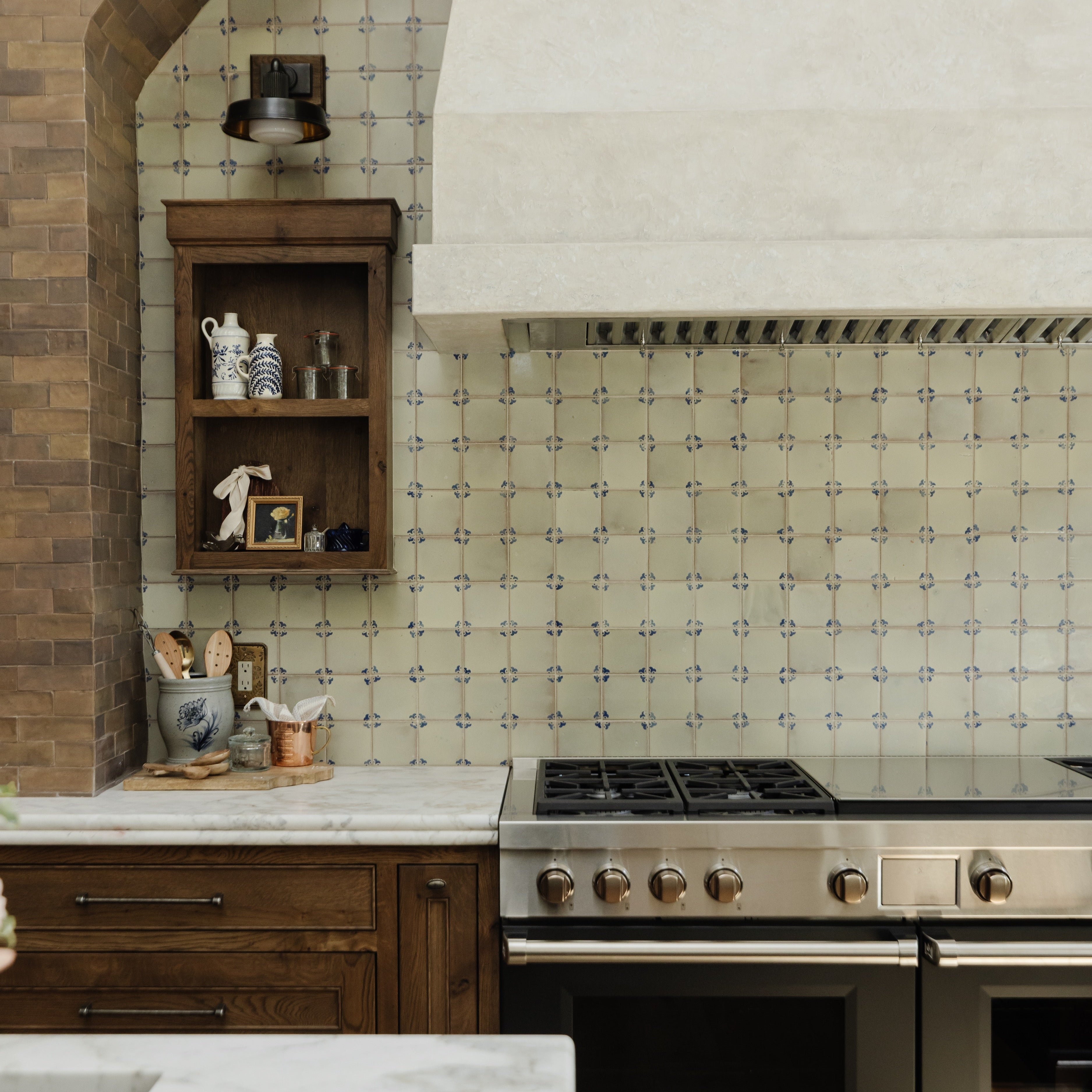
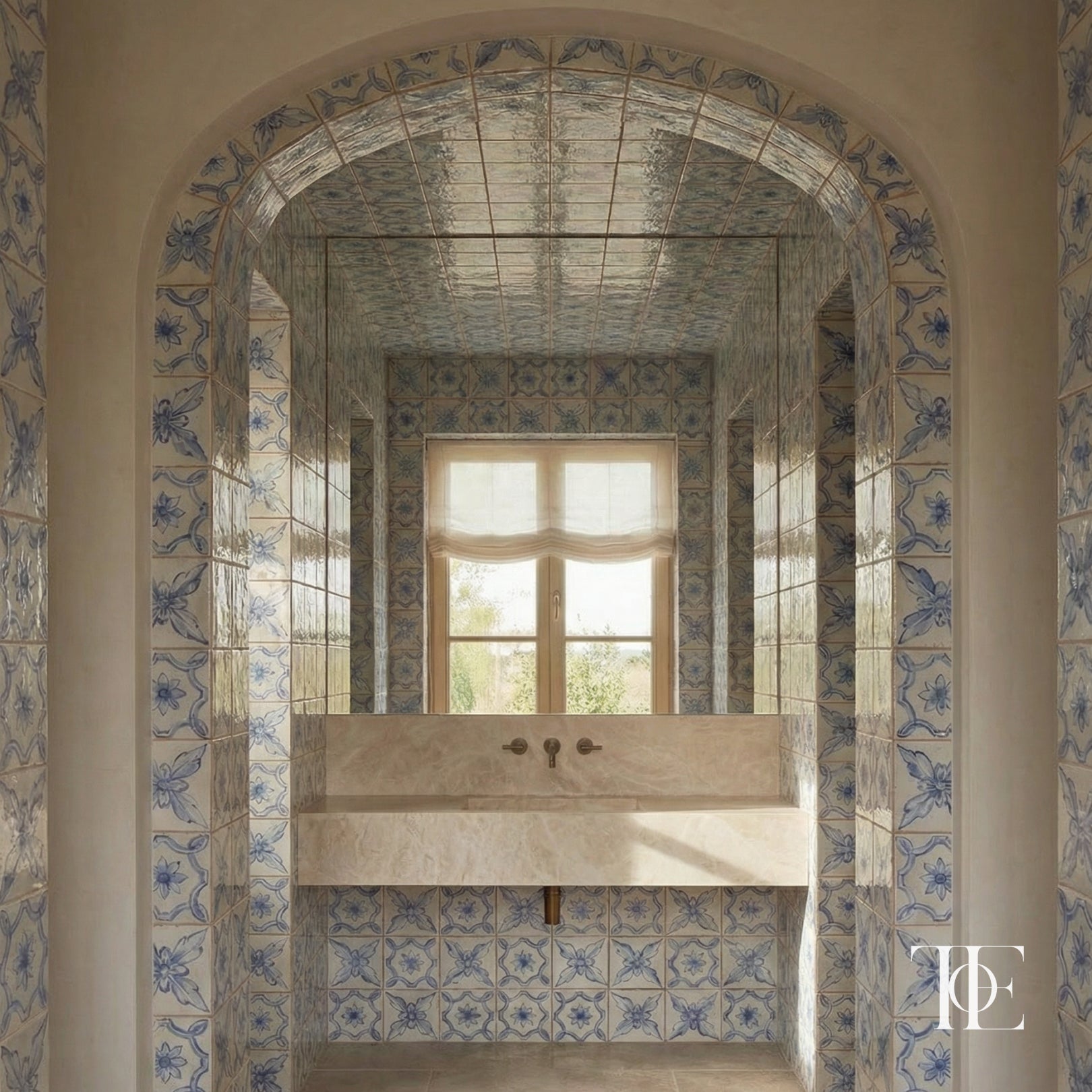
Amano is Tiles of Ezra's handpainted ceramic tile collection - handmade and hand-painted in Vietnam, and inspired by traditional Mediterranean architectural finishes. Celebrated for its artisanal process and expressive surface detail, every tile carries its own character, with no two ever quite alike. Below, we've answered everything you need to know about Amano's handpainted ceramic tiles: from choosing the right pattern and mixing designs, to installation, sealing and long-term care, so you can bring this statement-making collection into your walls, floors and wet areas with confidence.
Full Amano Collection Here Or See Our FAQ for our other tile ranges
The Material
Are Amano tiles handmade or machine produced?
Amano tiles are 100% handmade and hand-painted. Each tile is individually formed, glazed and painted by artisans in Vietnam, so natural variation is inherent and expected - this is what gives Amano its distinctive movement and depth.
What colour and tonal variation should I expect?
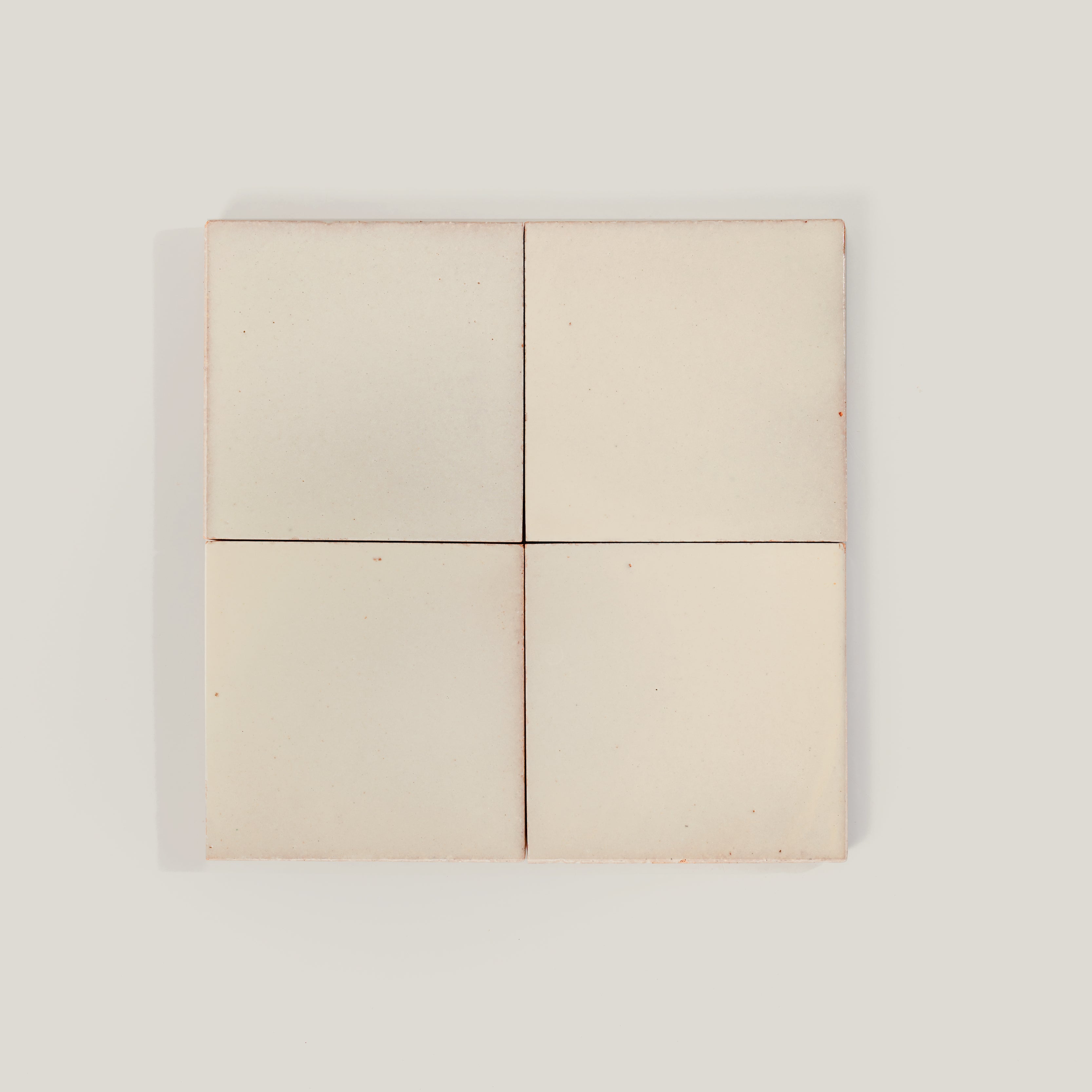
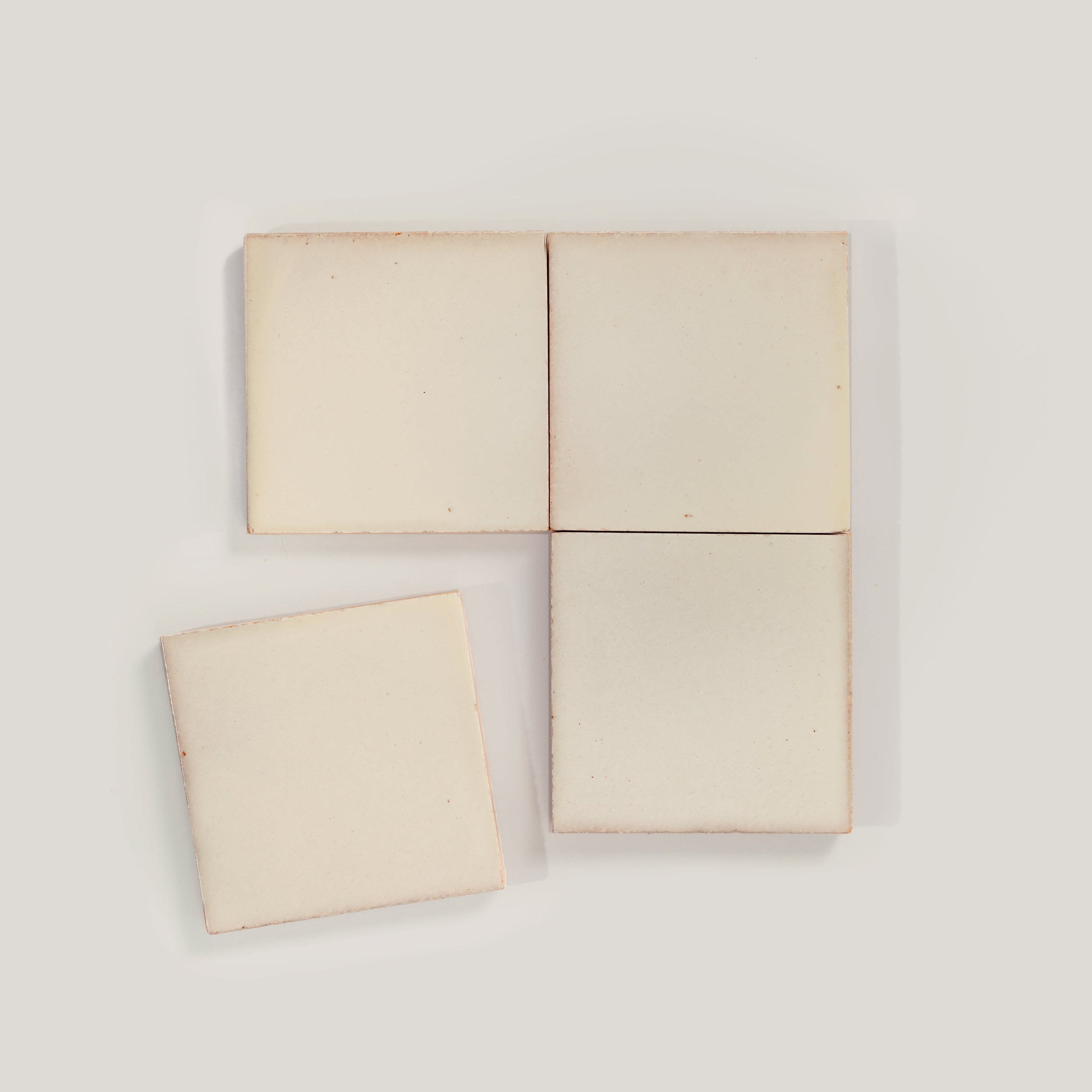
Moderate to noticeable variation is a defining feature of Amano - expect gentle changes in tone, glaze intensity, pattern strength and surface texture from tile to tile and across batches. This is intentional and not a flaw; Amano isn't designed to look perfectly uniform.
Do Amano tiles vary in thickness or edge straightness?
Yes. Very slight variation in thickness and occasional soft or chipped edges are inherent to the handmade process and entirely expected. Installers should adjust grout joints accordingly.
What are lime pops, and can they occur in Amano?
Lime pops are small surface craters caused by natural clay particles expanding during firing. They're considered an inherent feature of authentic artisan ceramics rather than a defect. We rest every batch for 2–3 weeks before packing so any delayed lime pops can surface and be screened out, and any minor pops that remain typically disappear once tiles are grouted.
Read Everything you Need to know about Lime Pops Here
What is crazing, and is it normal on Amano?
Crazing is a fine network of hairline cracks that can develop in the glaze surface, usually in response to humidity and temperature change over time. It sits entirely within the glaze layer and doesn't affect the tile's strength or performance - it's a recognised characteristic of handmade glazed ceramics, not a defect.
Read More About Crazing Here
What are Amano tiles made from, and are they safe?
Amano is a fired ceramic body finished with a hand-applied glaze; some colourways contain trace lead compounds (under 100ppm), and every batch is independently lead-tested to meet international standards. As with any ceramic, cutting or grinding generates fine dust containing crystalline silica - installers should use a waterjet cutter or angle grinder with wet-cutting where possible, and wear a P2/P3 respirator, glasses and gloves. This applies to fabrication only; once installed, Amano poses no inhalation risk in everyday use.
Full details are in our Amano Safety Data Sheet.
Pattern and Design
Will every tile look exactly the same, or does the hand-painted pattern vary?
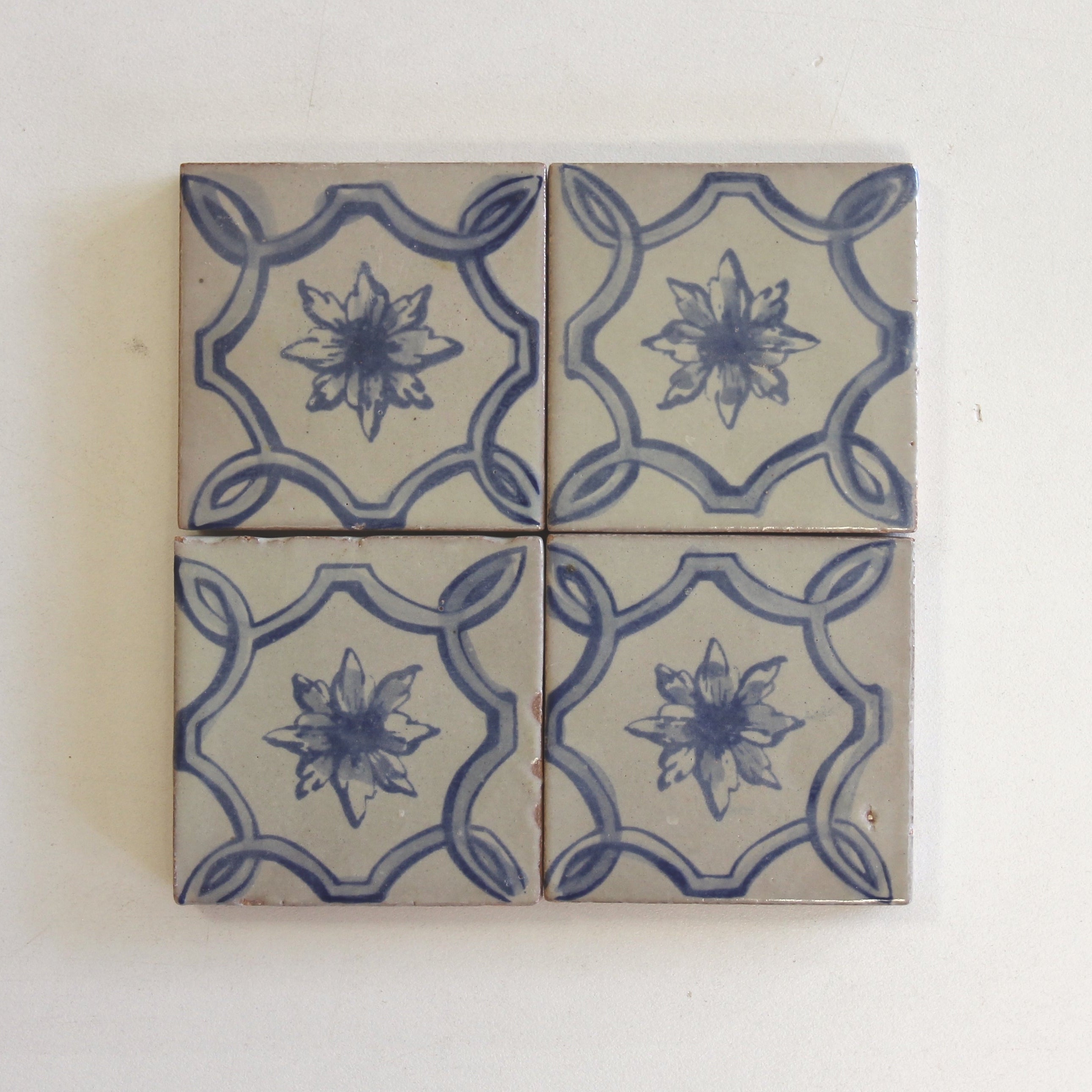
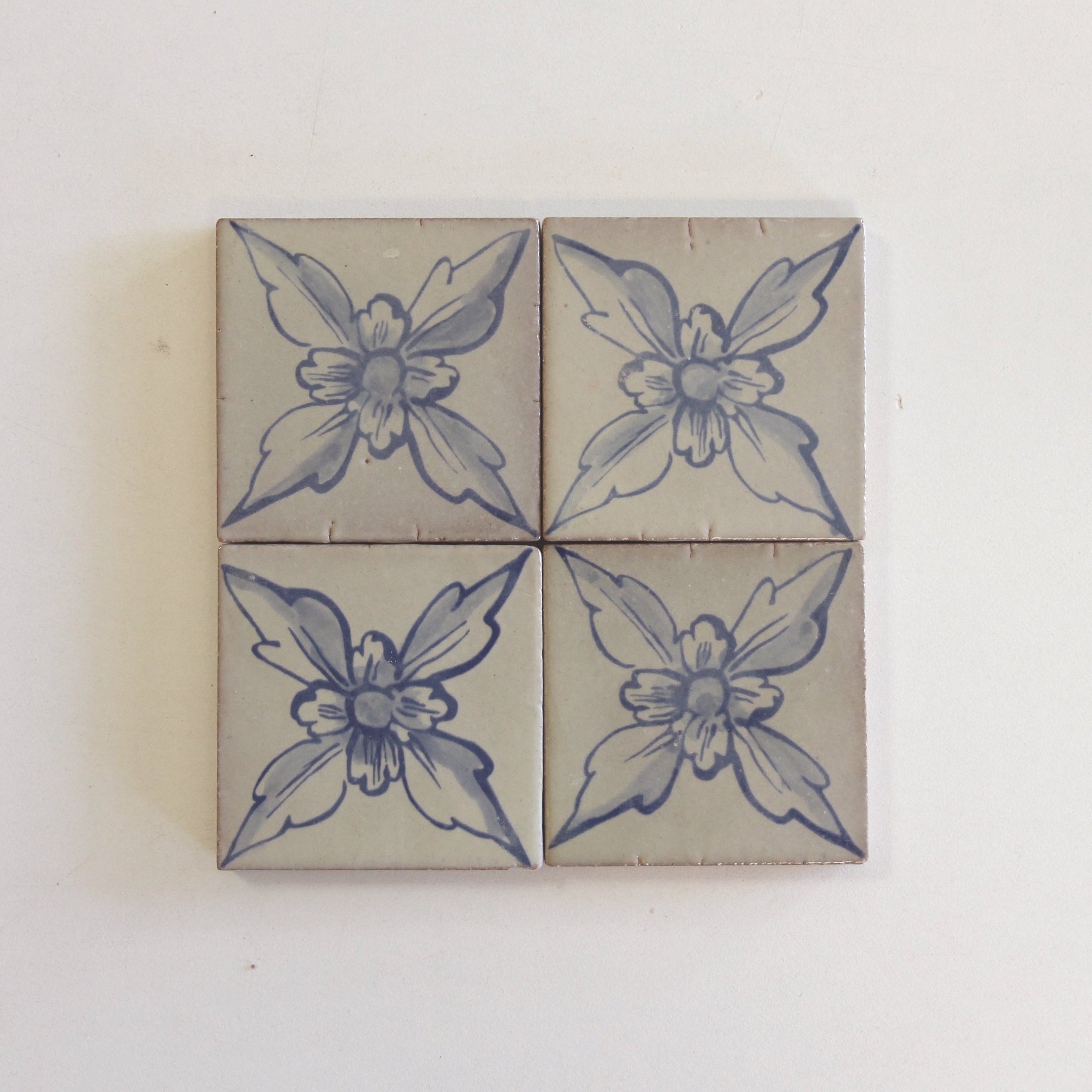
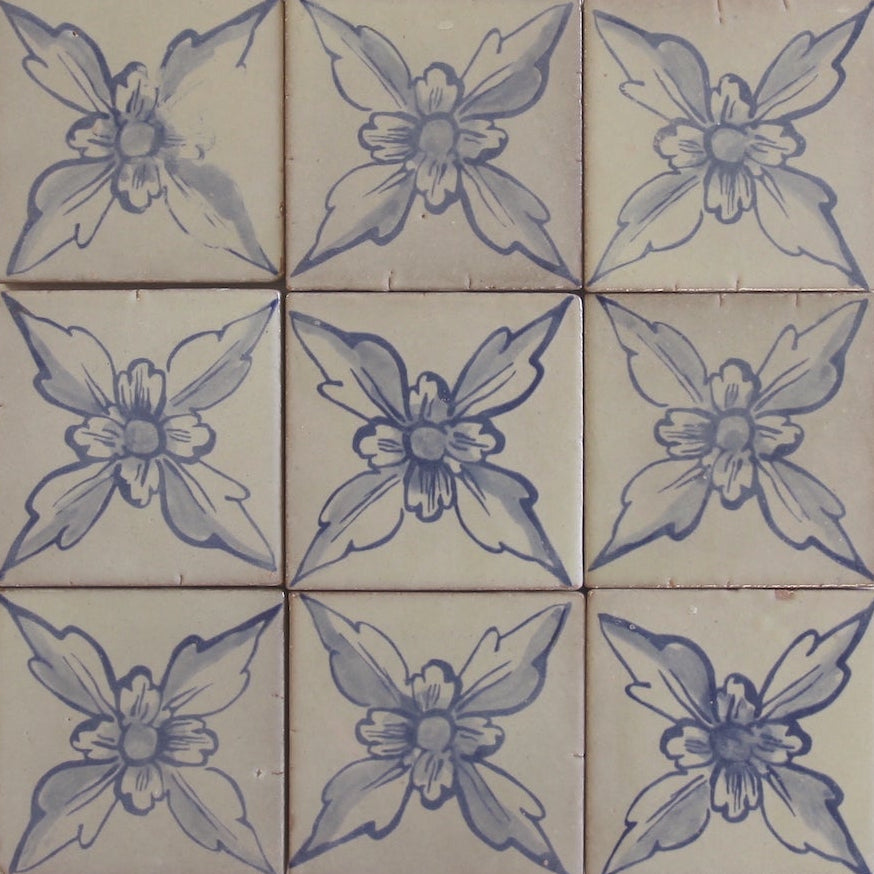
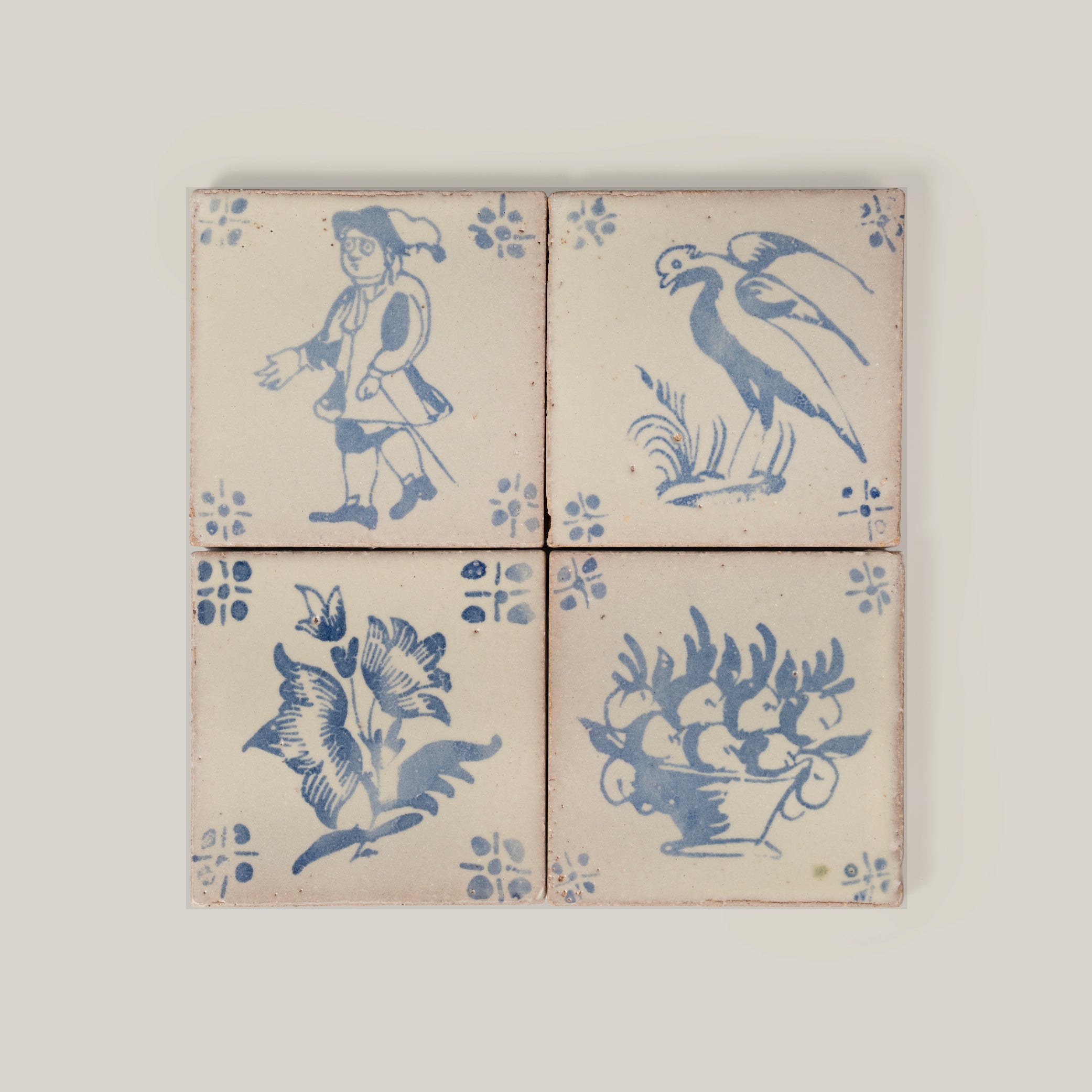
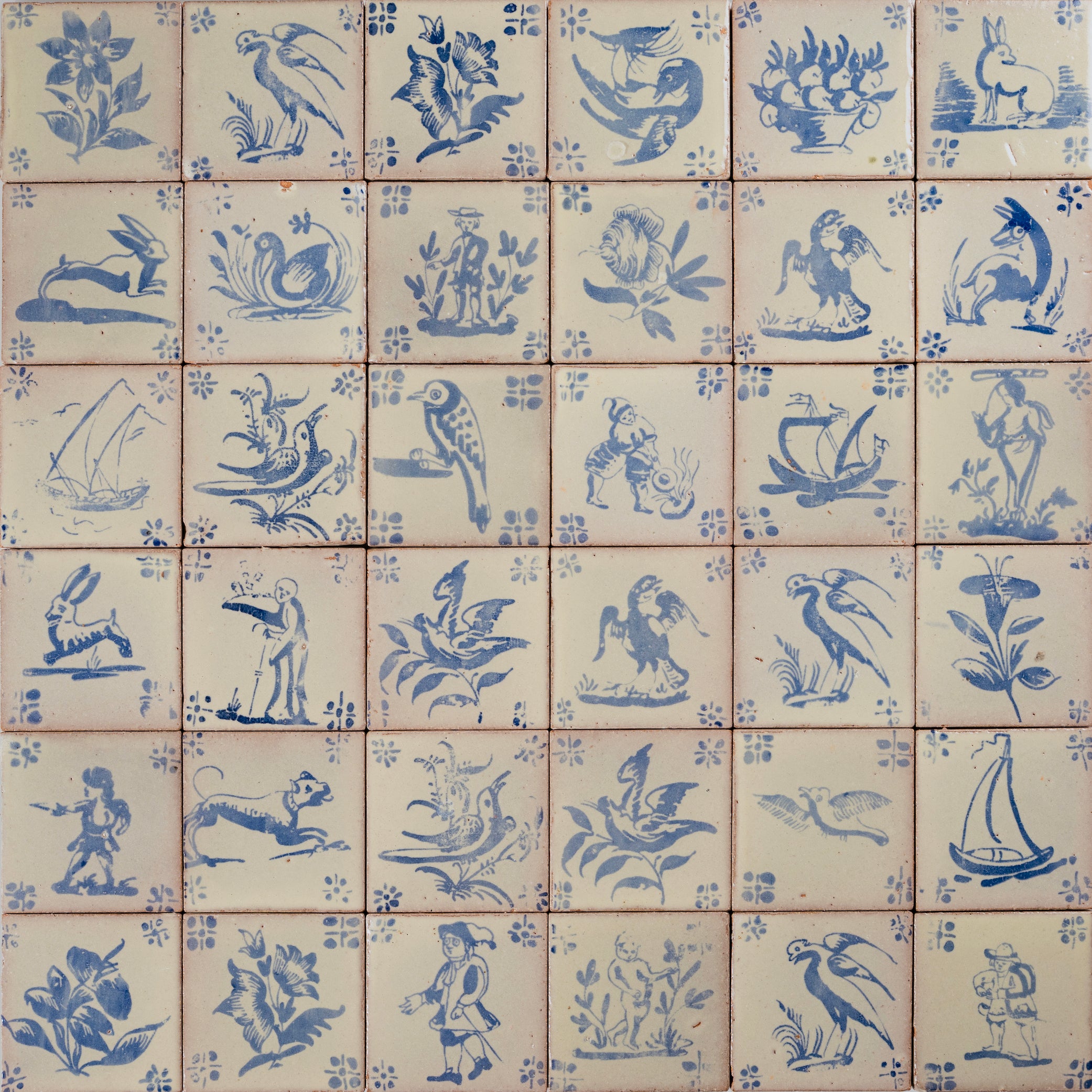
Each Amano pattern is applied one tile at a time, with an artisan hand-painting the design freehand and silk screening parts of the design rather than using a machine print. So while every tile follows the same pattern, expect natural variation in brushstroke, ink strength and placement from tile to tile - this is part of the appeal, and is what separates Amano from a printed or screen-applied ceramic.
Can I mix different Amano patterns or colourways in one installation?
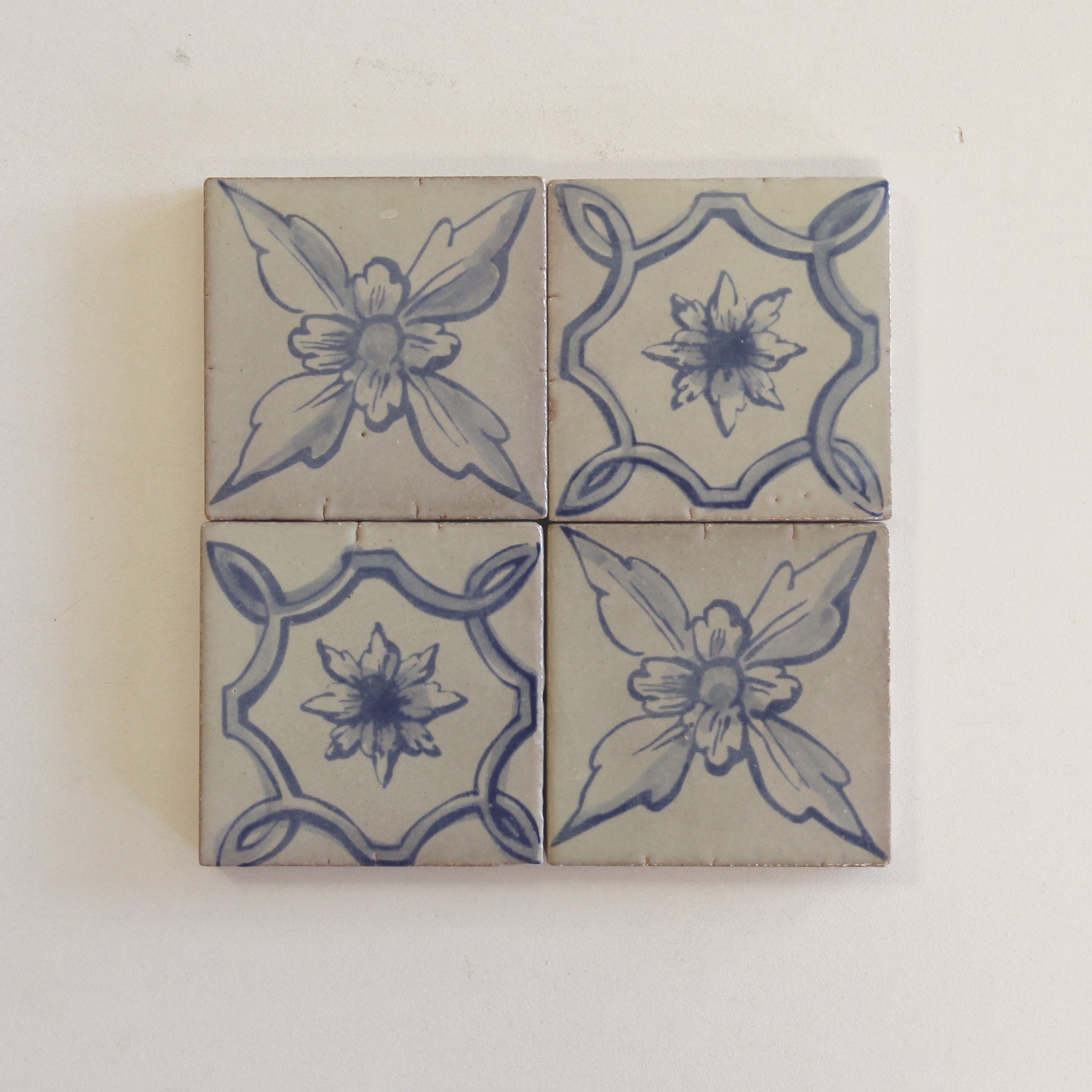
Yes - many customers combine Amano Basics patterns within the same colour family (Azul or Choc) for a layered, eclectic look that still feels cohesive, since the patterns are designed to share a consistent palette and firing process. If you'd like to mix across colour families or combine with another Tiles of Ezra range, we'd recommend viewing samples together first to check the tones sit well side by side, but it's absolutely doable and looks amazing!
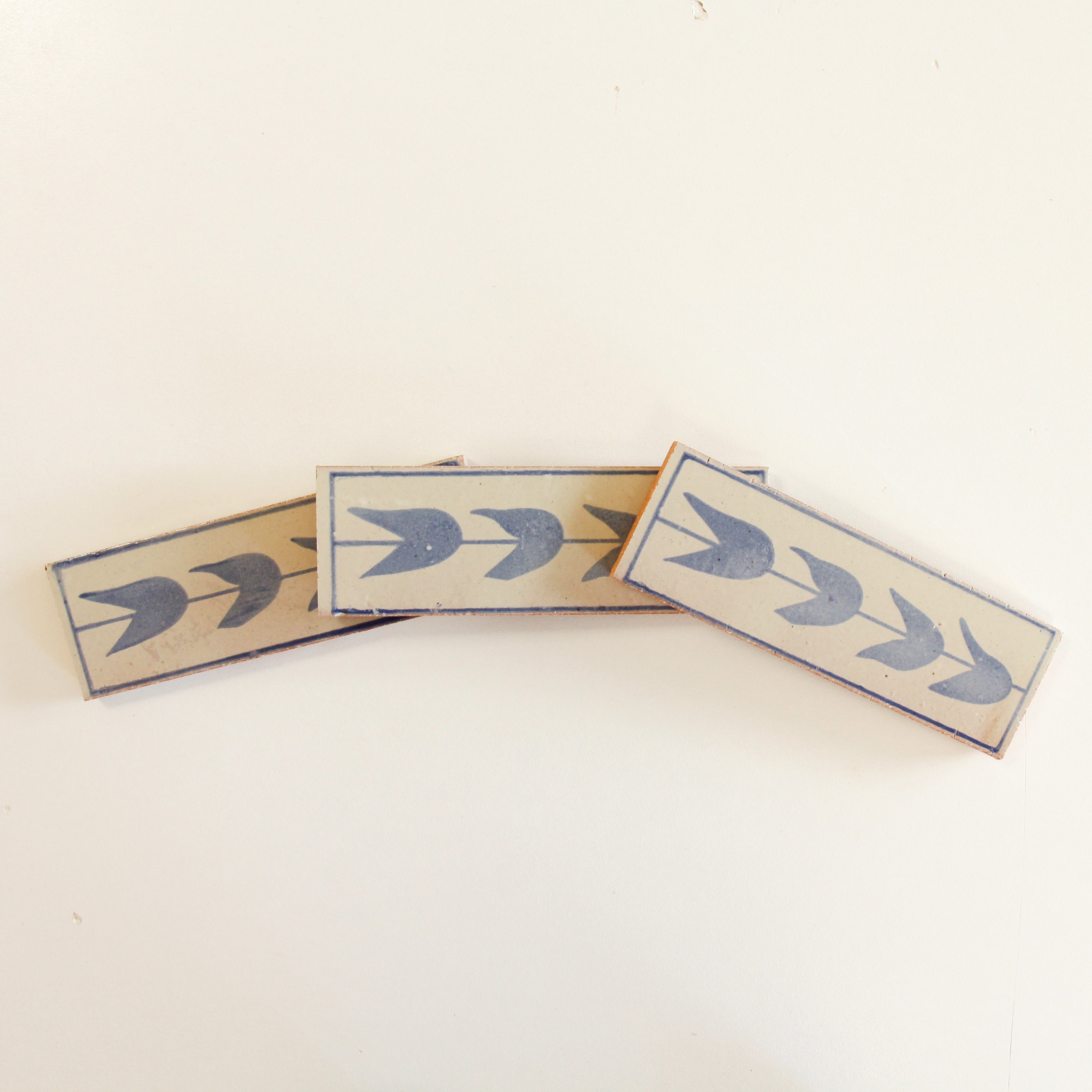
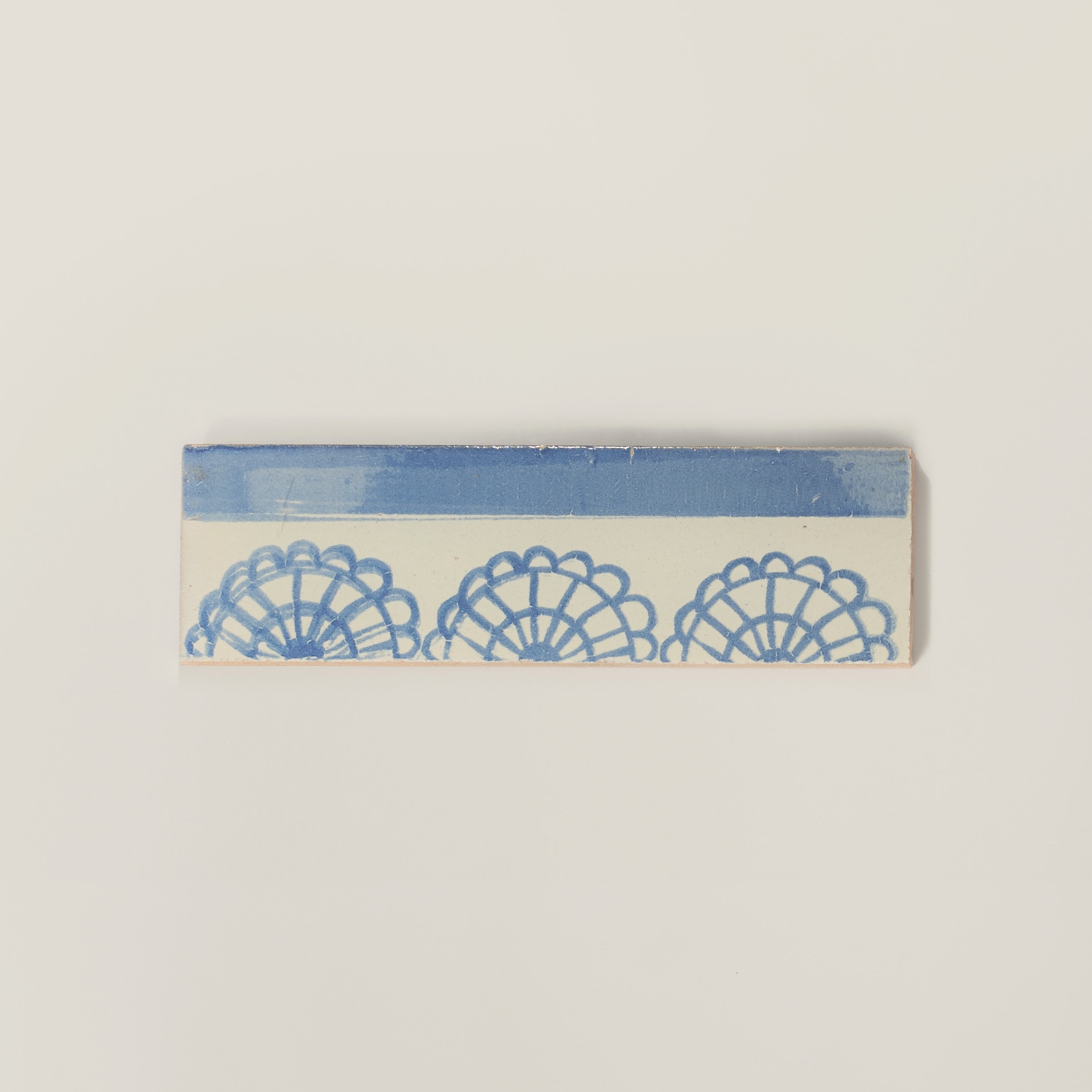
How do Amano Borders work with the Basics field tiles?
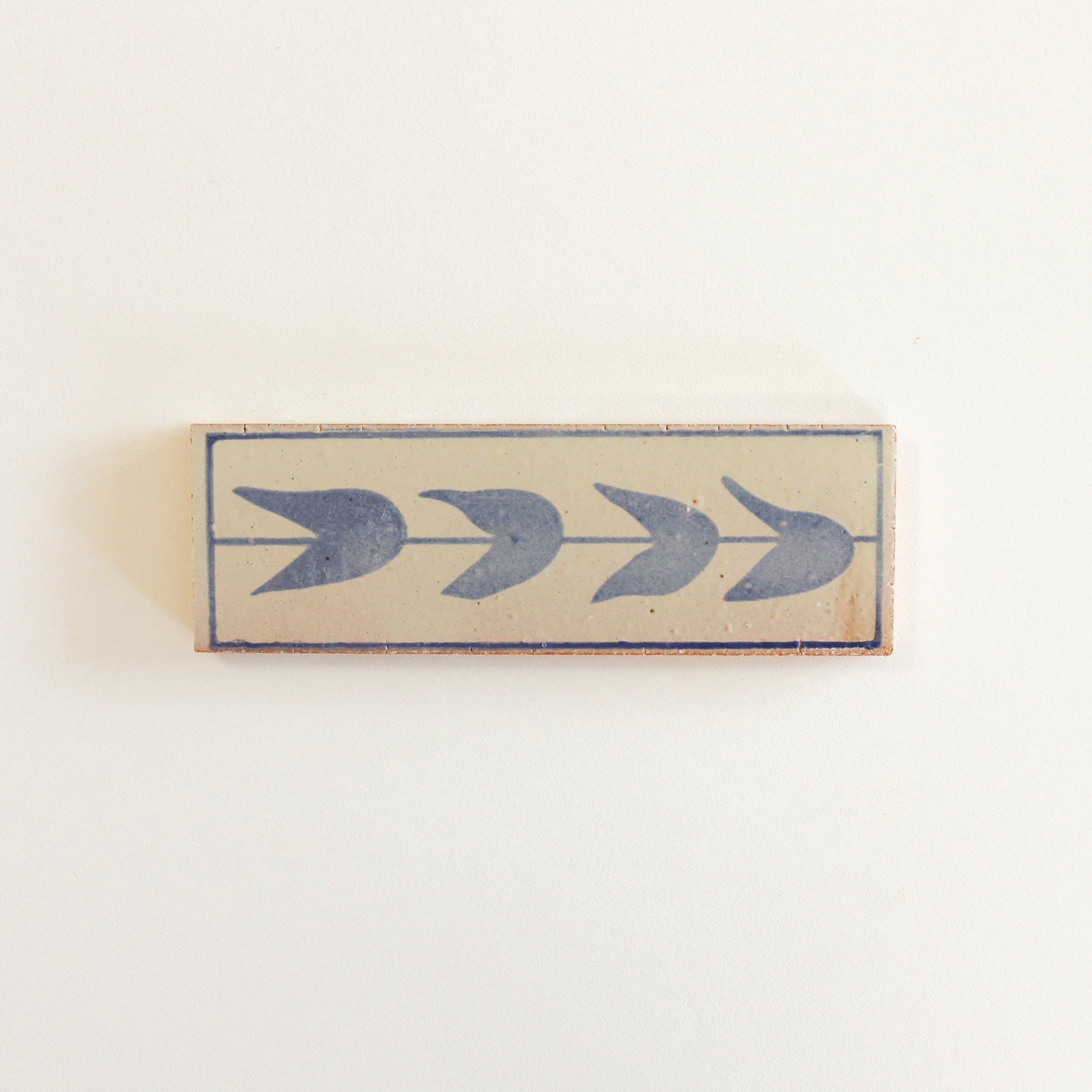
Amano Borders are designed as companion pieces to frame or accent a layout of Basics - for example, edging a splashback, defining a feature panel, or finishing the top of a tiled area - they can also be used on their own to frame a door opening or a rangehood or to be used as creatively as you wish. They also can be used with other tile ranges. They share the same hand-painted, hand-glazed process as the Amano Squares, so tonal variation between a border and its field tile is expected and part of the design, rather than a mismatch.
Suitability and Application
Are Amano tiles suitable for walls, floors, or both?
Yes, for residential walls and floors, including kitchens, bathrooms, fireplaces and feature walls. For high-traffic or commercial flooring, confirm suitability with your installer.
Can Amano tiles be used in wet areas, pools or spas?
Yes, with appropriate waterproofing, adhesive and grout. In wet areas, slip resistance can be improved with wider grout joints, a staggered or herringbone layout, or a post-install anti-slip treatment, and epoxy grout could be recommended. Amano can also be used in pools, spas and saunas - as these are higher-exposure environments, confirm your specific waterproofing and sealing approach with your installer first.
Can Amano tiles be used outdoors?
Yes, in most mild-climate outdoor settings when properly sealed and installed. Amano is UV and heat resistant, but is not suitable for freeze–thaw environments, as rapid temperature change can weaken or crack porous clay materials.
Can Amano tiles be installed over underfloor heating?
Amano's heat-resistant rating supports use around heat sources such as underfloor heating, but as with any tile over a heated substrate, the system should be brought up to temperature gradually, and your installer should confirm the adhesive and any expansion joints are suited to underfloor heating specifically.
Will the colour or pattern fade over time, especially outdoors?
Amano is UV resistant, so it's designed to hold its colour well in sun-exposed settings. As with any hand-glazed, hand-painted ceramic, some very gradual softening of tone is possible over years of direct sun exposure, in the same way natural materials develop a patina - this isn't something we'd expect to be noticeable in normal residential use.
Sealing and Finishes
Do Amano tiles need to be sealed?
Yes. Although the glaze provides most protection, we recommend a penetrating, non-enhancing sealer on all Amano installations to reduce the risk of staining if crazing develops over time. Apply before grouting (as a grout release) and again after installation, once tiles are fully clean and dry. Recommended sealers include Dry-Treat Stain Proof, Miracle Sealants 511 Porous Plus, and Guard Industry Protect Guard MG.
Guide/Why Sealant matters - Read Here
What grout colour and width work best with Amano?
Careful consideration should be given to the choice of grout colour, and the sizing of grout spaces. Although Amano tiles feature glazed surfaces, a penetrating sealer (non-enhancing) is recommended to avoid highlighting any potential crazing at time of install, and to help minimise the risk of staining should glaze crazing occur over time. Neutral or shade matching grout will also help to reduce the appearance of glaze crazing. Explore neutral colour grouts from reputable brands such as Kerakoll, Mapei, Laticrete or Ardex. It is essential that you communicate with your professional installer about the intended outcome prior to beginning your installation. It can be helpful to provide reference imagery of your desired outcome to your installer. You can explore grout colour samples on site with your professional installer, and it is recommended you complete a test patch of grout to ensure you are satisfied with the chosen colour before applying to the entire installation.
As a guide, our spec sheet suggests a 1–3mm joint, though width ultimately comes down to your installer's advice and your design intent.
Read of our Grout 101 - Everything you need to know about grout right here
How do I clean and maintain Amano tiles?
Clean with a soft cloth or mop and a pH-neutral cleaner, and avoid bleach, acidic cleaners or abrasive pads, which can damage the glaze. If sealed, reapply periodically - handmade glazed tiles often need resealing more often than machine-made tiles, especially in wet or high-traffic areas.
Samples and Ordering
Can I order samples of Amano before purchasing?
Yes, samples are available for most colours and finishes so you can check colour, tone and texture in your own space before ordering.
Get in touch with our team here
How much overage should I order?
Depending on the tile chosen, the pattern and complexity of the install order 10–20% above your calculated area to allow for cuts, natural variation, breakage and future repairs, and order enough from the same batch to keep the look consistent.
Can I mix batches of Amano?
Generally, yes - variation is part of the design, and mixing batches will still read as cohesive. Ask your installer to dry-lay and blend tiles from all boxes and cartons before fixing, to distribute variation evenly. For a more controlled, uniform look, talk to us before ordering.
Installation
How should Amano tiles be stored before installation?
Store tiles indoors in a clean, dry environment, keeping cartons flat and off damp flooring, and away from direct moisture exposure. Avoid stacking heavy items on top of boxes, which can chip edges before tiles even reach the wall.
Can moisture affect the appearance of Amano tiles before installation?
Yes. Tiles may pick up moisture during production or transit, which can temporarily darken or dull the surface. Allow tiles to fully dry and acclimatise to the site before assessing colour or finish, and before installation begins - judging tone from a damp tile can be misleading.
How should Amano tiles be prepared before laying?
Clean dust and residue from the front and back of tiles before installation. The substrate should be well prepared and levelled by a professional beforehand.
What adhesive and grout should I use?
A high-performance, flexible tile adhesive is recommended (MAPEI, Kerakoll, Ardex or Laticrete), buttered onto the back of each tile as well as applied to the substrate. Use a high-performance cementitious or epoxy grout (epoxy for wet areas), and remove excess grout with a damp sponge before it cures - dried grout is very difficult to remove from the surface.
Refer to Amano Specification Sheet
Does Amano come with trim or edge pieces?
No. Work with your installer on a trim-free finish for exposed edges -options include mitred tile corners, a plaster or render return, a recessed flush set-back, or a decorative pencil trim or listello strip. Some of these need to be planned into the layout before tiling starts, so it's worth deciding early.
How to Finish Exposed edges on tile
Explore more: Amano handpainted ceramic collection, Amano specification sheet, Installation guides & resources·FAQs for other tile ranges
EXPLORE THE FULL
HANDPAINTED AMANO COLLECTION




Still Have Questions?
We’re here to help you navigate the details. Whether you’re exploring our ranges, comparing finishes, or seeking guidance on which tile best suits your space, our team is here to share the knowledge and confidence you need to decide.